
Self-Learning Trading Algorithms
Self-learning trading algorithms use machine learning to adapt, evolve, and optimize trading strategies automatically in real time.
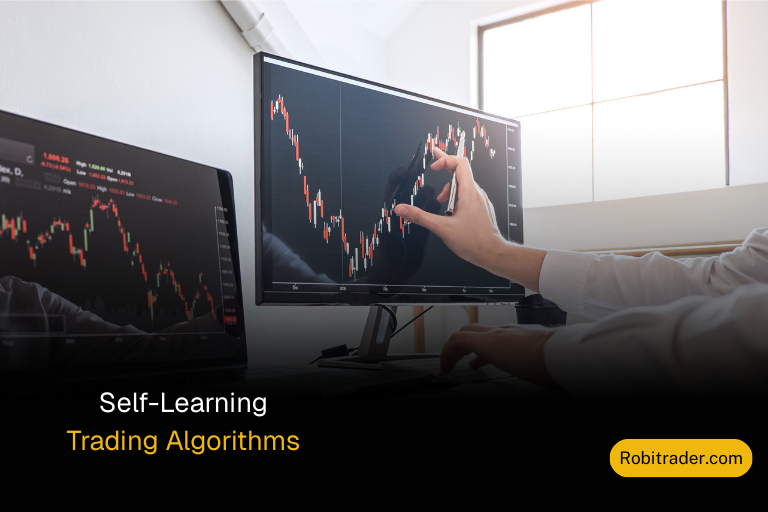
Self-learning trading algorithms are AI-powered systems that improve their performance over time by learning from market data and past trades. Unlike traditional algorithms that follow fixed rules, these systems dynamically adjust their strategies based on changing market conditions.
They rely on technologies such as:
Machine learning (ML) for pattern recognition
Deep learning for complex market behavior modeling
Reinforcement learning to optimize decisions through trial and error
Big data analytics for real-time data processing
The result is a trading system that evolves continuously, just like the markets it operates in.
How Self-Learning Trading Algorithms Work
Data Collection and Processing
These algorithms ingest massive volumes of data, including:
Price movements and historical charts
Trading volume and order book data
Macroeconomic indicators
News sentiment and alternative data
Advanced preprocessing techniques clean and structure this data for learning.
Model Training and Learning
Using machine learning models, the algorithm identifies patterns, correlations, and signals. Reinforcement learning models test strategies, evaluate outcomes, and adjust parameters to maximize peformance.
Continuous Adaptation
As new data flows in, self-learning algorithms refine their models in real time—allowing them to respond to volatility, regime shifts, and unexpected events faster than human traders.
Why Self-Learning Algorithms Are Replacing Traditional Trading Systems
Adaptability to Market Changes
Markets are dynamic. Static rule-based strategies often fail when conditions shift. Self-learning algorithms adapt automatically, maintaining effectiveness across different market environments.
Speed and Precision
These systems analyze millions of data points in milliseconds, executing trades with unmatched accuracy and minimal latency.
Reduced Human Bias
Emotional decision-making is eliminated. Trades are driven by data, probability, and optimization rather than fear or greed.
Key Applications of Self-Learning Trading Algorithms
High-frequency trading (HFT) with adaptive execution strategies
Algorithmic portfolio management and asset allocation
Cryptocurrency and forex trading, where volatility is high
Risk management systems that dynamically adjust exposure
Institutional investors, hedge funds, and fintech firms increasingly rely on these algorithms for competitive advantage.
Risks and Challenges
Despite their advantages, self-learning trading algorithms pose challenges:
Overfitting and Model Risk
Algorithms may perform well in training but fail in live markets if they learn noise instead of meaningful patterns.
Transparency Issues
Complex AI models often function as "black boxes," making it difficult to interpret or explain decisions.
Systemic Market Risk
If many algorithms learn similar behaviors, synchronized reactions can amplify market volatility.
Human Oversight in an Automated Trading World
While self-learning algorithms operate autonomously, human involvement remains essential. Professionals are needed to:
Design and monitor learning models
Set ethical and regulatory boundaries
Intervene during abnormal market conditions
Evaluate long-term strategic goals
The future of trading is not human versus machine—but human-guided machine intelligence.
The Future of Self-Learning Trading Algorithms
As AI technology advances, self-learning trading algorithms will become:
More autonomous and explainable
Capable of cross-market learning
Better at handling rare and extreme events
These systems will continue to push financial markets toward greater efficiency, complexity, and automation.